Africa is moving beyond the initial excitement of peer-to-peer trading and entering a phase of deep infrastructure building. The question is no longer “Will Africa adopt Bitcoin?” but “How do we build a Bitcoin ecosystem that lasts?”
To answer this, we must look at the three pillars of a sustainable ecosystem: Energy, Community, and Talent.
1. Energy: The Green Mining Revolution
The most persistent criticism of Bitcoin is its energy consumption. However, in Africa, innovative companies like Gridless Compute are flipping this script. They are proving that Bitcoin mining can actually finance the electrification of the continent.
By setting up mining operations adjacent to stranded renewable energy sources, remote hydro dams in Kenya, Malawi, and Zambia, Gridless acts as a “buyer of last resort.” They purchase the excess power that rural communities cannot yet utilize, making these renewable energy projects financially viable from day one.
This is a sustainable model:
- For the Grid: It provides consistent revenue to maintain and expand infrastructure.
- For the Community: It lowers the cost of electricity, bringing light and power to thousands of homes.
- For the Network: It decentralizes the hashrate, making Bitcoin more secure.
2. Community: The Rise of Circular Economies
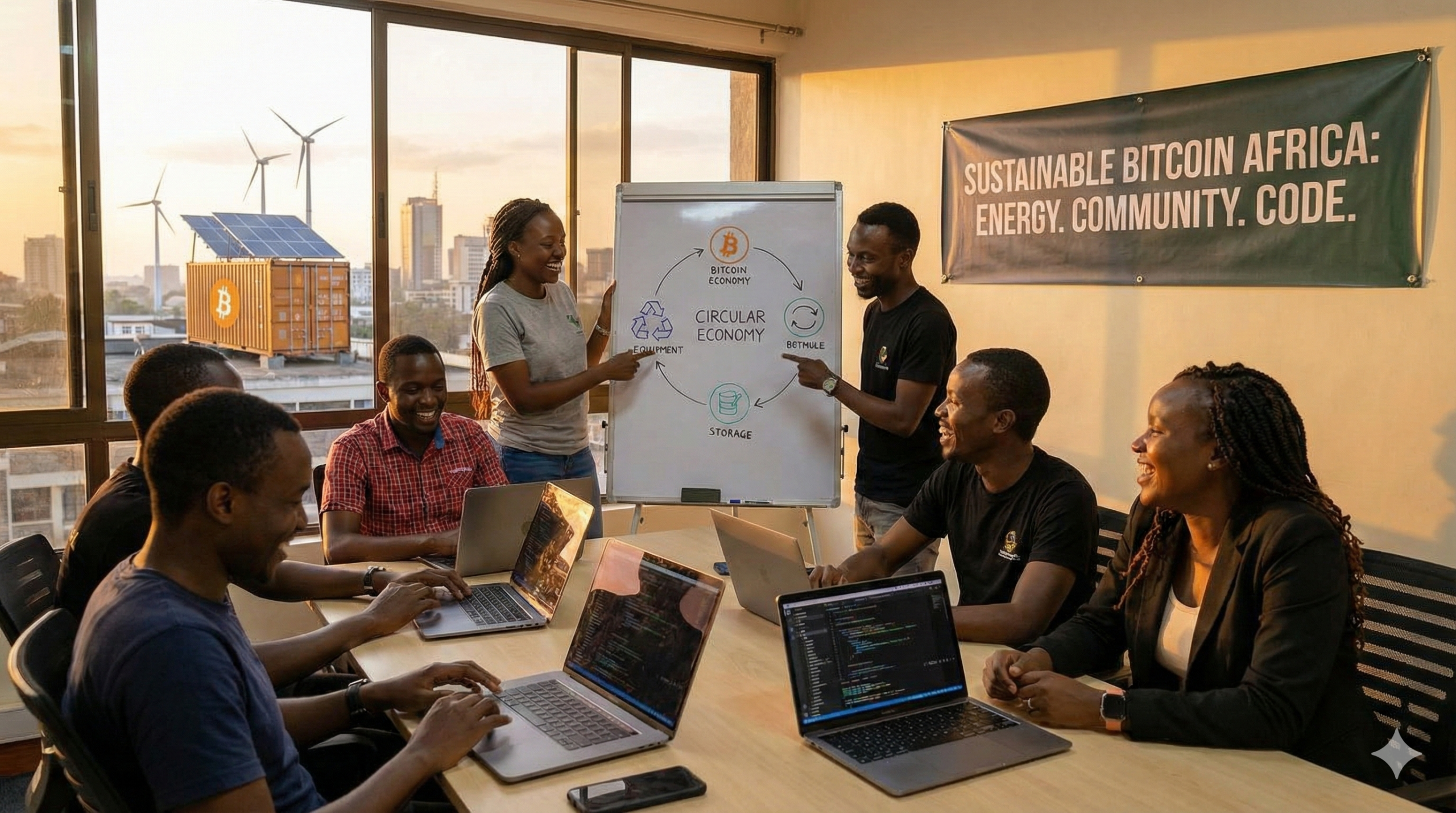
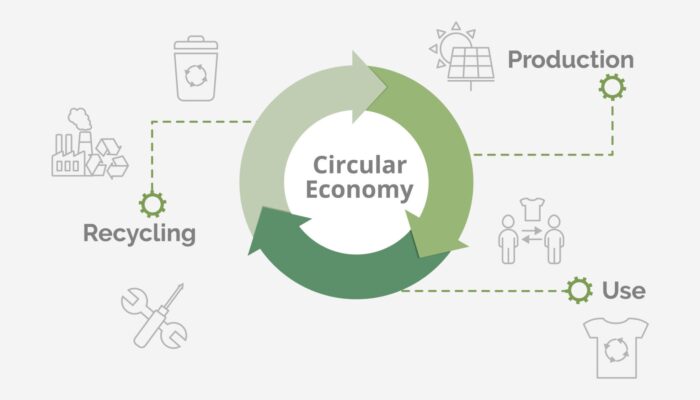
Sustainability also means economic resilience. We are witnessing the rise of Bitcoin Circular Economies (BCEs) such as Bitcoin Ekasi in South Africa, Bitcoin Boma in Kenya, and Bitcoin Jungle in Ghana.
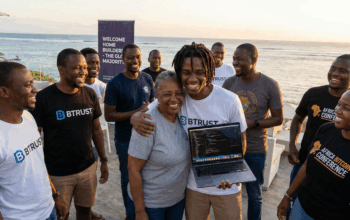
These projects are not just onboarding users; they are building closed-loop systems where Bitcoin is earned, spent, and saved within a community. In Mossel Bay, surf coaches are paid in Bitcoin, and they spend it at local spaza shops to buy groceries.
This model protects the community from the volatility of local fiat currencies. When the Rand or the Shilling loses value, the Bitcoin economy remains a stable anchor. By focusing on utility – payments for goods and services – these communities are proving that Bitcoin is everyday money, not just a speculative asset.

3. Talent: Coding the Future
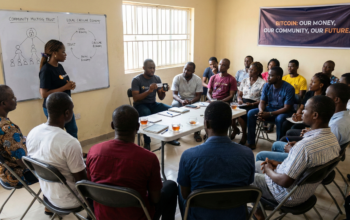
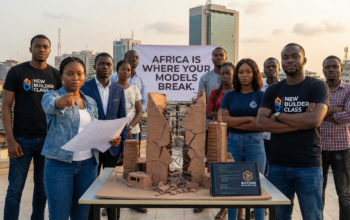
A sustainable ecosystem requires local builders. We cannot rely on software built in Silicon Valley to solve the unique challenges of African finance. This is where organizations like Btrust Builders come in.
In 2025 alone, Btrust distributed over $2 million in grants to African open-source developers. They are training a generation of engineers in Rust, Bitcoin Core, and Lightning development.
By empowering local talent, we ensure that the tools we use—wallets, payment gateways, and exchanges—are designed for our reality. We need apps that work on low-bandwidth networks, interfaces that support local languages, and privacy tools that protect users in authoritarian regimes.