How Bitcoin Empowers Africa to Build a Future of Financial Sovereignty
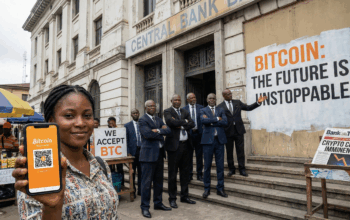
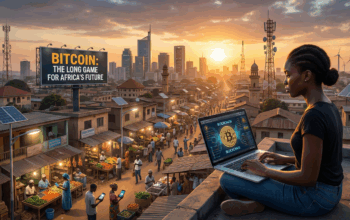
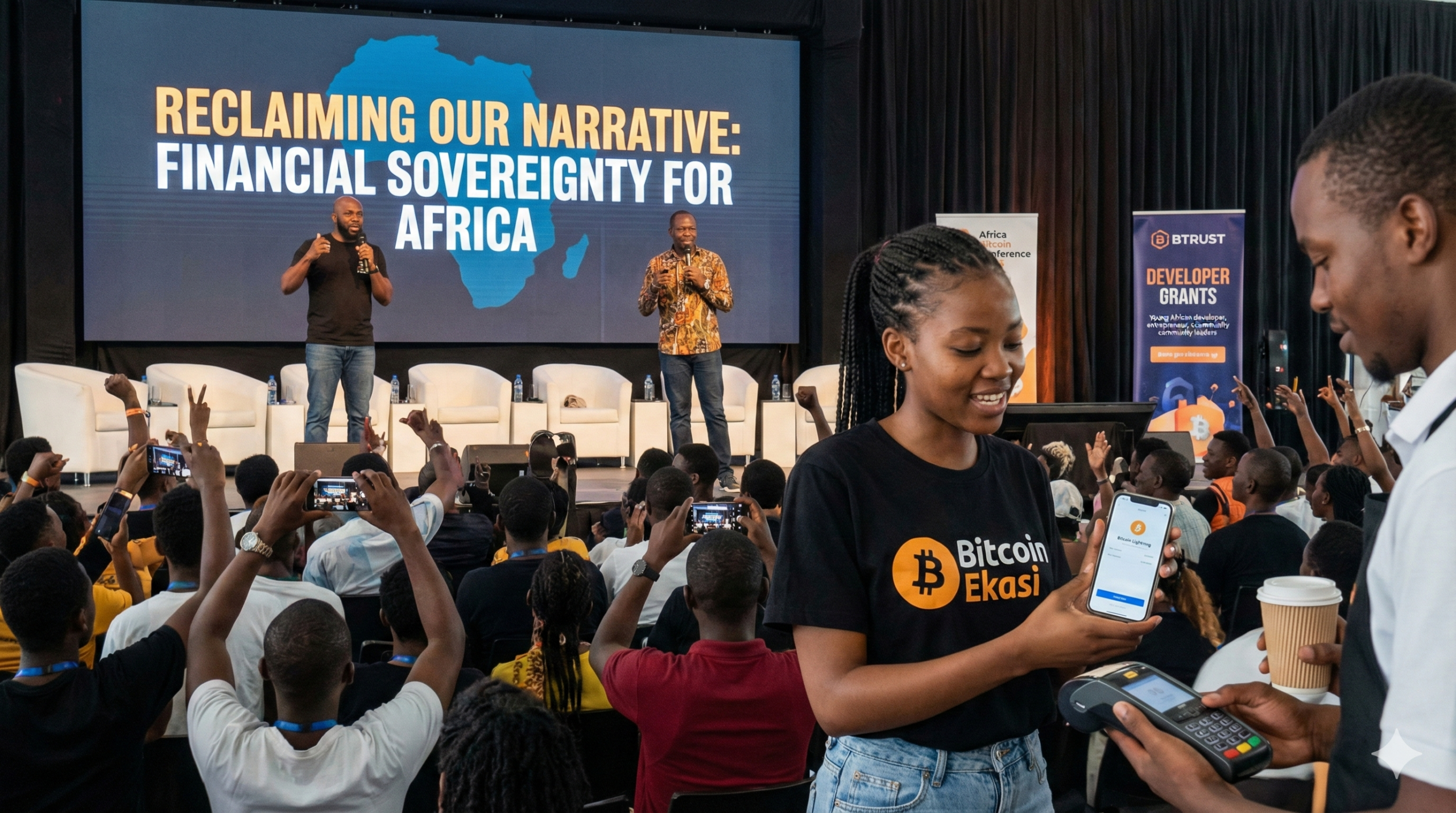
If you were following the conversations emerging from the Africa Bitcoin Conference in Mauritius, you would understand that the era of Africa’s finance being written by outsiders is coming to an end, with Bitcoin empowering the continent to define its own future.
Africa Will Save Bitcoin
Africans are beginning to reject the “savior complex.” For years, Western enthusiasts pitched Bitcoin as a way to “save” the unbanked in Africa. However, Mark Kamau boldly stated on stage, the reality is likely the reverse: “I think Africa will save Bitcoin, not Bitcoin saving Africa.”
In the West, Bitcoin is often treated as a speculative asset or a hedge against future inflation. In Africa, it is a present-day necessity. We have currency devaluation, the remittance costs, and the trade barriers that showcase the true utility of the technology.
Femi Longe reinforced this with a powerful call to action: “Reclaiming Africa’s Narrative.” The goal is no longer just adoption; it is to use Bitcoin to write a story of innovation and strength. We are proving that decentralized money works best where legacy money is broken.
Utility Over Hype: The Rise of Circular Economies
While the broader “crypto” market chases the next meme coin, African leaders are doubling down on what actually works: Bitcoin Circular Economies (BCEs).
Herman, the founder of Bitcoin Ekasi, delivered a reality check that resonated across the ecosystem: “I have yet to see a Solana Beach or an XRP Valley.”
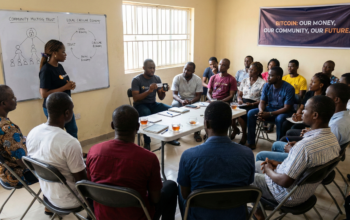
This wasn’t just a jab at altcoins; it was a defense of economic reality. Circular economies—where communities earn, spend, and save in Bitcoin—are the antidote to gambling culture. They strip away the complexity and focus on Bitcoin as money. As the data showed, BCEs introduce spending as a gateway to saving. You cannot save what you cannot earn. By building closed-loop systems in places like townships and rural villages, we are proving that financial sovereignty starts with buying bread, not trading tokens.
The Architects of Freedom
Sovereignty requires infrastructure, and infrastructure requires builders. The data from Btrust revealed yesterday was a testament to this heavy lifting: $2.25 million in grants awarded to software engineers, reaching over 3,000 developers in 2025 alone.
This is the “boring” work that makes freedom possible. It’s about teaching Rust, contributing to Bitcoin Core, and building the APIs that connect African fiat to the global Bitcoin network.
We celebrated leaders like Bernard Parah (CEO of Bitnob), honored as an “architect bridging Africa to the global financial system.” Leaders like Bernard and the teams at Gridless and Machankura are not just business owners; they are the plumbers of our future liberty. They are ensuring that when we transact, we are doing so on rails that no foreign government can switch off.